Brent rubbish removal Willesden High Road NW10 guide
Posted on 03/07/2026
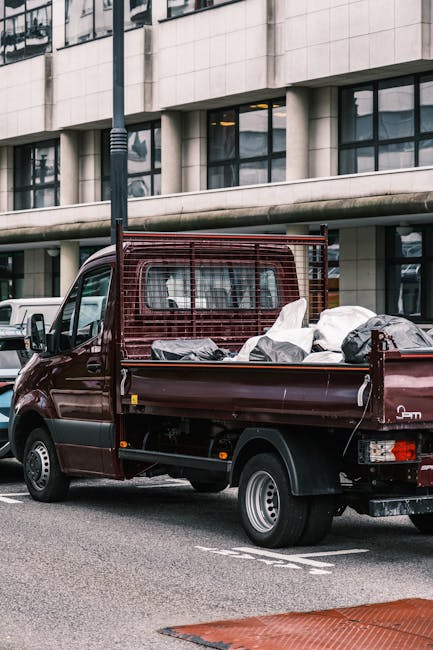
If you are trying to clear bulky waste, get rid of renovation debris, or simply reclaim a cramped flat, this Brent rubbish removal Willesden High Road NW10 guide will help you make sense of the process without the usual confusion. Willesden High Road can be busy, tight for parking, and awkward for loading at the best of times, so choosing the right rubbish removal approach matters. The good news? With a bit of planning, you can keep the job quick, legal, and less stressful than a last-minute skip decision. Let's break it down properly.
Whether you are a homeowner, tenant, landlord, shop owner, or tradesperson, the core questions are usually the same: what can be taken, how fast it can be removed, what it should cost, and how to avoid fly-tipping or compliance headaches. This guide covers all of that, along with practical steps, common mistakes, and a few local realities you only notice once you've dealt with rubbish on a London main road in real life.
Why Brent rubbish removal Willesden High Road NW10 guide Matters
Willesden High Road is not the sort of place where rubbish removal can be handled casually. Traffic, shared access, parking pressure, and neighbouring businesses all affect how waste is collected. If you leave it until the last minute, you can end up with bags stacked in a hallway, an awkward kerbside pile, or a collection slot that clashes with your day. Not ideal, and a bit of a mess.
This guide matters because rubbish removal is more than "taking stuff away". In a built-up NW10 location, it's about timing, access, sorting, and responsible disposal. A well-planned collection can save you time, reduce disruption to neighbours, and make sure items are handled correctly, especially when mixed waste or heavier materials are involved. If you have ever tried shifting an old sofa down a narrow stairwell while someone is trying to get past with a buggy, you'll know exactly why planning matters.
It also matters from a trust point of view. People want to know they are using a service that understands local conditions, handles waste properly, and does not create problems later. That is why it helps to look at broader support pages too, such as the company's services overview, waste carrier licence and compliance, and recycling and sustainability information before booking anything major.
How Brent rubbish removal Willesden High Road NW10 guide Works
In practical terms, rubbish removal usually starts with identifying the waste type, estimating the volume, and deciding whether it can be collected as mixed rubbish or needs a specialist service. That is the simple version. The real-life version is a little more layered, because an old wardrobe, a broken washing machine, and a few bags of refurbishment debris may all need slightly different handling.
On a busy road like Willesden High Road, access is often the deciding factor. If a van can park nearby and load quickly, the process is smooth. If access is difficult, the team may need extra time, careful carrying, or a different arrival window. That is why accurate descriptions matter when you request help. A "few bags" can turn out to be a very sturdy mountain of unwanted stuff. Happens more than people admit.
Most services will work by:
- Confirming the type of waste and approximate amount.
- Agreeing a collection window that suits access and local traffic.
- Loading items safely from the property, frontage, or kerbside.
- Sorting recyclable materials from general waste where possible.
- Removing everything for lawful disposal or recovery.
For household clear-outs, the process often overlaps with services like domestic waste collection in Brent or house clearance in Brent. For furniture-heavy jobs, you may also want to look at furniture removal in Brent or furniture disposal in Brent. The right fit depends on what you actually need removed, not just the headline name of the service.
Key Benefits and Practical Advantages
The biggest benefit is simple: you get your space back. But there are several other advantages that are easy to overlook until you've done the job the hard way.
- Less disruption: A planned collection avoids random piles in communal areas or outside front doors.
- Safer clearances: Heavy or awkward items are handled more carefully than a rushed DIY lift.
- Better local fit: NW10 streets and parking can be tricky, so local awareness helps the collection run smoothly.
- Cleaner finish: A good clearance leaves the site tidy, not half-done.
- More responsible disposal: Reuse and recycling can often be prioritised where suitable.
There is also a financial benefit, even if it is not always obvious at first glance. A neatly planned waste removal job can reduce the need for repeated trips, unnecessary labour, or emergency clearances. If you're a landlord preparing a flat for new tenants, or a shop owner trying to reset a unit after a refit, time saved is often money saved. And in London, everyone is measuring both.
For commercial or trade work, the advantage becomes even clearer. The right setup helps you avoid clutter on-site, protects staff movement routes, and keeps the premises looking professional. If that sounds like your situation, have a look at commercial waste removal in Brent and builders waste disposal in Brent for a more specific route.
Who This Is For and When It Makes Sense
This kind of rubbish removal is useful for a wide mix of people. Not everyone needs the same service, but many people need something in this family of solutions.
- Homeowners clearing spare rooms, lofts, garages, or garden clutter.
- Tenants moving out and needing a quick, clean property handover.
- Landlords dealing with left-behind furniture, mixed rubbish, or end-of-tenancy waste.
- Shop owners on or near Willesden High Road with packaging, old fittings, or stock-room clutter.
- Tradespeople needing site waste removed after small refurbishments.
- Office managers replacing desks, clearing archive rooms, or downsizing.
It makes the most sense when waste is too bulky, too much, or too awkward for regular household bins. That includes bulky furniture, broken appliances, mattresses, garden cuttings, mixed black bags, shelving, and renovation debris. If you are clearing a loft and finding items you have not seen in years, well, that's usually the moment when you stop negotiating with yourself and book help.
Sometimes the trigger is practical, sometimes emotional. A bereavement, a move, a refurbishment, or a long-overdue tidy-up can all create the same outcome: a pile of unwanted things that needs proper handling. In those cases, a service such as loft clearance in Brent or office clearance in Brent may be the more precise match.
Step-by-Step Guidance
If you want a smooth collection, a little structure goes a long way. Here is the practical approach that usually works best.
- Sort the waste into rough groups. Keep furniture, appliances, general rubbish, and garden waste apart if possible. It helps with planning and pricing.
- Check access. Ask yourself whether the items are easy to reach. Stairs, lift access, narrow corridors, and parking all matter.
- List anything unusual. Mattresses, white goods, builder's rubble, paint tins, and electrical items should be mentioned early.
- Estimate the volume honestly. Underestimating is the classic mistake. A single sofa is one thing; a sofa, two armchairs, and a dismantled bed frame are another.
- Choose the right service. General rubbish collection may suit mixed household waste, while specialist disposal is better for heavy or specific items.
- Prepare the area. Clear a path to the items, protect floors if needed, and keep pets or children away during loading.
- Confirm the collection plan. Check timing, payment method, and any access notes before the day itself.
A small but useful tip: take a few photos before booking. Not for drama, just for clarity. In real life, a picture of the waste pile often explains the job better than a paragraph ever could. It also helps avoid surprises when the team arrives.
If you are managing a broader tidy-up rather than a one-off pile, it can help to start from a wider rubbish collection in Brent or waste removal in Brent approach, then narrow down if needed.
Expert Tips for Better Results
Here's where the job gets easier than most people expect. A few small decisions can make the whole thing cleaner, quicker, and less expensive.
- Bundle similar items together. It speeds up loading and makes assessment easier.
- Separate anything reusable. If an item can be reused, don't bury it in a mixed pile unless you have to.
- Keep walkways clear. It reduces loading time and lowers the risk of damage.
- Be realistic about heavy waste. A fridge, a wardrobe, and a pile of masonry are not the same job.
- Ask about recycling handling. If sustainability matters to you, mention it early and check what can be diverted.
- Plan around busy times. On a road like Willesden High Road, early or well-timed collections can be less stressful.
One practical observation from jobs like this: people often focus on the pile itself and forget the route out of the property. That's the bit that causes headaches. A clear hallway and a few minutes spent moving small obstacles out of the way can save much more time than you'd think. Not glamorous, but very useful.
If your waste includes old sofas, wardrobes, or dining sets, it may be worth reviewing furniture removal in Brent alongside the disposal-focused service. For appliances, white goods and appliance disposal in Brent is the better match.

Common Mistakes to Avoid
Most rubbish removal problems are avoidable. They usually come from rushing, guessing, or assuming the job is simpler than it is.
- Underestimating the volume. The "just a few bags" story rarely ends there.
- Not mentioning awkward items. Heavy or specialist items can change the plan completely.
- Blocking access. If the team cannot get to the waste easily, the collection slows down fast.
- Mixing everything together without thinking. Recyclables, electricals, furniture, and general waste may need different handling.
- Leaving rubbish until the last minute. That usually creates stress, not savings.
- Using an unverified operator. This can create disposal and fly-tipping risks for the customer as well as the environment.
Another mistake is assuming all clearance jobs are the same. They're not. A post-renovation job, an office clear-out, and an end-of-tenancy household disposal each have their own wrinkles. If you need a more targeted job, look at house clearance, office clearance, or builders waste disposal rather than forcing one service to do everything badly.
Tools, Resources and Recommendations
You do not need a van full of equipment to prepare for rubbish removal, but a few simple tools make life easier.
- Heavy-duty bin bags for loose light waste
- Strong tape or straps for bundling smaller items
- A tape measure if you are unsure about furniture size
- Basic gloves for sorting and moving lighter items
- Mobile phone photos to show the collection team what needs removing
- Labels or notes for separating keep, donate, recycle, and remove piles
From a planning standpoint, it helps to compare your options before you book. Some people want the cheapest solution. Others want speed. Many want a balance of both, with proper handling and no drama. Fair enough. If you are still comparing, the company's pricing and quotes page can help you understand how costs are generally approached, while payment and security is useful if you care about how the booking is handled.
For people who value responsible disposal, the sustainability side is worth attention too. A service that speaks clearly about recycling and sustainability tends to be thinking beyond the immediate pickup, which is exactly what you want when you care about the wider impact.
Law, Compliance, Standards, or Best Practice
Rubbish removal in the UK is not just a matter of loading things into a van and waving goodbye. Waste needs to be handled responsibly, and customers should be careful about who they hire. A legitimate operator should be able to explain how waste is collected, transported, and disposed of, and they should be clear about compliance rather than vague and hand-wavy.
For the customer, the most important best practice is simple: use a properly run waste removal service and ask sensible questions. Who handles the waste? How is it disposed of? What happens to recyclable materials? What documentation or proof is available if you need it? These are fair questions, not awkward ones.
If a company talks openly about its licence and compliance, insurance and safety, and terms and conditions, that is a good sign. It suggests the basics are being taken seriously. That matters more than flashy marketing ever will.
There is also a broader responsibility to avoid fly-tipping and poor disposal choices. If someone offers a suspiciously cheap removal service and cannot explain where the waste goes, that's a warning sign. To be fair, it's one of those moments where if it looks too good to be true, it probably is. Keep it simple. Keep it legal.
Options, Methods, or Comparison Table
Not every rubbish clearance job needs the same method. Here is a practical comparison to help you choose the right route.
| Method | Best for | Strengths | Possible drawbacks |
|---|---|---|---|
| General rubbish collection | Mixed household waste, bagged rubbish, light clutter | Quick, straightforward, good for smaller jobs | May not suit very bulky or specialist waste |
| Furniture disposal | Sofas, tables, wardrobes, beds | Efficient for bulky items, saves lifting hassle | Access and size can affect timing |
| White goods disposal | Fridges, freezers, washing machines, cookers | Useful for heavy appliances and awkward handling | Often needs clear item details in advance |
| House clearance | Whole rooms, flats, estates, end-of-tenancy jobs | Best for larger, mixed clear-outs | Usually more planning required |
| Builders waste disposal | Renovation debris, rubble, site waste | Handled with trade-type needs in mind | Can be heavier and more complex than domestic waste |
If you are not sure which route fits, start with the waste type rather than the room. That small mindset shift helps. A kitchen clear-out after a refit is not the same thing as garden waste after a hedge cut. Obvious, maybe, but easy to muddle when you're standing in the middle of it.
Case Study or Real-World Example
Picture a typical flat near Willesden High Road. The tenant has moved out, the landlord needs the place ready for cleaning, and the hallway still has a broken chest of drawers, a mattress, several bags of mixed rubbish, and an old microwave sitting in the kitchen. Not a catastrophe, but not ready for viewings either.
Rather than trying to do it piece by piece over several weekends, the landlord photographs the items, separates obvious furniture from loose waste, and books a planned collection. The team arrives at a sensible time, loads the larger items first, clears the bags, and leaves the space tidy enough for cleaners to come in straight after. One visit. Done.
What made the difference? Mostly preparation. The waste was described accurately, access was kept clear, and the service was matched to the actual job. Nothing magical. Just the basics done well, which is usually how the smoothest removals happen.
That same approach works just as well for a small office on the road, a shop stockroom clear-out, or a tired garage that has turned into a storage zone for "things we'll sort later". Later usually arrives with a van booking. Funny that.
Practical Checklist
Use this quick checklist before arranging a collection.
- Identify what needs removing
- Separate furniture, appliances, and loose rubbish if possible
- Check stairs, lifts, parking, and access
- Take a few photos of the waste
- Estimate the size honestly, not optimistically
- Point out anything heavy, sharp, or unusual
- Decide whether you need domestic, commercial, or builders waste support
- Clear a safe path for loading
- Review pricing, terms, and payment details
- Confirm collection timing and any special instructions
Quick takeaway: the cleaner your preparation, the faster and calmer the collection will feel. That's the whole game, really.
Get a free quote today and see how much you can save.
Conclusion
Rubbish removal on or around Willesden High Road in NW10 is easiest when you treat it like a small project rather than a last-minute chore. Work out what you need removed, choose the right type of service, and make access as simple as possible. That combination does most of the heavy lifting before the van even arrives.
For local jobs in Brent, the smartest approach is usually the one that balances speed, compliance, and proper disposal. Whether you are clearing a flat, a shop, a loft, or a renovation pile, the right service should leave you with less stress, not more. And honestly, that's the bit people remember.
When the clutter is gone and the space feels open again, the difference is immediate. You notice the light. You notice the silence. It's a small reset, but sometimes that's exactly what a place needs.